
How No Access delays repairs and costs everyone
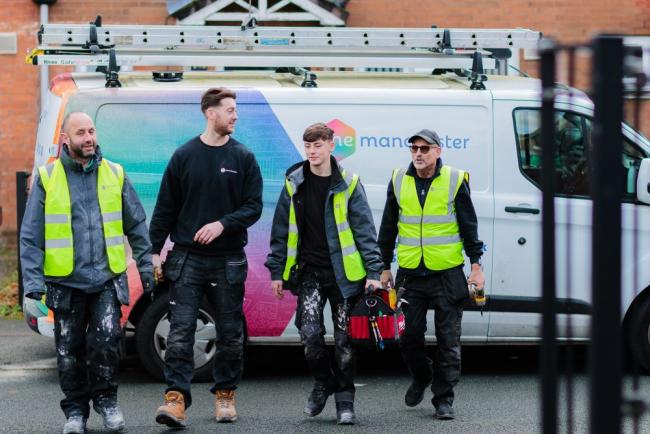
We’re reviewing how we manage “No Access” appointments - where an operative arrives but can’t get into the property.
Getting repairs done quickly and safely depends on us being able to access customers’ homes when an appointment’s been booked. When we can’t get access - a “No Access” - it causes delays, frustration, and wasted resources that affect everyone. That’s why we’re reviewing how we manage “No Access” appointments, where an operative arrives but can’t get into the property.
Why No Access matters
No Access appointments have a real impact on customers and services.
Right now, our No Access rate is equivalent to over 8,000 failed appointments. That’s more than a full month of repairs work lost. This isn’t abstract money or spare capacity - it’s customers’ money and customers’ time. Every missed appointment means:
- A repair that doesn’t get done
- Another customer waiting longer for their repair
- Time and money that could have been spent improving homes and services
In short, No Access disadvantages customers who are also waiting.
Access is also essential for health and safety
In many cases, access isn’t just helpful – it’s essential. We often need to enter homes to:
- Carry out legally required health and safety checks
- Complete gas, electrical, or other compliance‑related work
- Prevent small issues becoming bigger, more disruptive problems
When we can’t get access, it can put customers’ safety at risk and leave us unable to meet our legal responsibilities. That’s why it’s so important that customers let us in when appointments are booked or tell us as soon as possible if they can’t.
If you can’t make your appointment, tell us straight away
We understand that plans change and things come up. But how and when you tell us makes a big difference.
- If it’s the same day as your appointment, please call us as soon as possible
- If there’s more notice, you can contact us through any of our usual routes
Letting us know early allows us to cancel the appointment properly, and offer the slot to another customer, to avoid wasting time, money, and resources.
Even a short-notice call is far better than no access at the door.
What customers have told us
Through our Service Improvement Group, customers have been clear that No Access isn’t always straightforward. People might:
- Miss a knock or call
- Be unwell or have mobility issues
- Be caring for others or doing school runs
- Avoid answering calls from unknown numbers
Customers have also told us that communication before and during appointments is key, and that any changes to how we manage No Access need to be fair, flexible, and clearly explained.
What we’ve changed so far
Based on customer feedback and operational reviews, we’ve already made some changes.
Better reminders Customers now receive more reminders before appointments, including closer to the day and time of the visit.
What happens if no one answers Previously, if an operative couldn’t get an answer, they would leave. We asked operatives to phone customers directly, but this didn’t reduce No Access as much as hoped, as many people don’t answer unknown numbers.
We’ve now introduced a clearer process:
- The operative contacts our planning team
- A planner then calls the customer directly
- A calling card is left with details of the visit and a new appointment
- A photo is taken at the door to confirm attendance
This helps make visits clearer for customers and gives us better records of what’s happened.
What we’re reviewing next
We’re continuing to look at other options, and customer feedback is central to these discussions. Ideas currently being explored include:
- Asking customers to confirm appointments in advance (for example, replying YES or NO)
- Reviewing appointment times, particularly where school runs or short windows make access difficult
- Developing a fair approach to repeat No Access, as part of a new recharge policy – with clear allowances for genuine reasons such as illness or caring responsibilities
- Looking specifically at No Access in high‑rise buildings, where issues can be more complex
What happens next?
We’ll continue reviewing data, testing ideas, and listening to customers before making any permanent changes. If we introduce new approaches, we’ll explain them clearly and in advance.
Our aim is simple:
to reduce wasted appointments, keep customers safe, and make sure repairs happen as quickly and fairly as possible for everyone.
If you have feedback or ideas about repairs appointments or No Access, we’d like to hear from you.